Verbs for Structural Changes
21 Words
11m
%20to%20turn%20into%20liquid%20form%20by%20being%20subjected%20to%20heat/melt)
(of something in solid form) to turn into liquid form by being subjected to heat
Ice cubes melt quickly in warm water.
View Full Definition
to become softer or liquid
After weeks of cold weather, the ground began to thaw, revealing patches of green grass beneath the snow.
View Full Definition

to convert a substance from a solid or liquid state into gas
The warm breeze vaporized the morning fog, revealing a clear and sunny day.
View Full Definition
to make a substance one with a liquid
The pharmacist instructed him to dissolve the medication in water before taking it.
View Full Definition
to transform from a liquid or flexible state into a stable, firm, or compact form
As the temperature dropped, the melted wax began to solidify, forming candles with a smooth surface.
View Full Definition
to change from a solid state and become fluid or liquid
As the temperature rose, the snow on the ground started to liquefy.
View Full Definition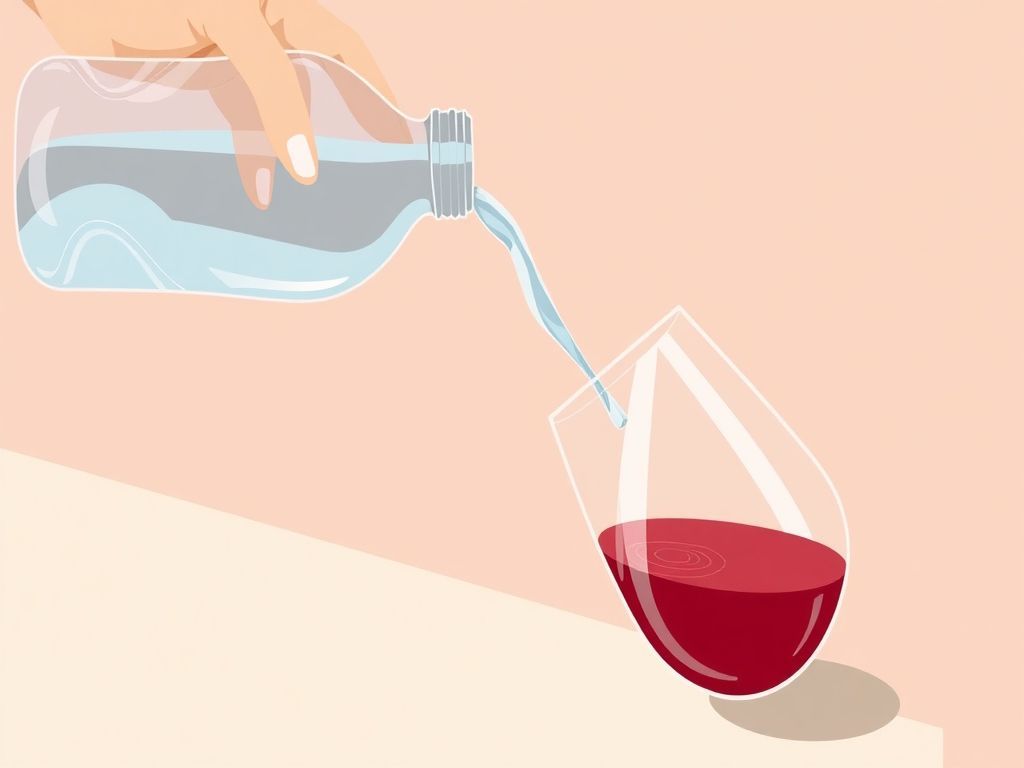
to make a solution or mixture weaker or less concentrated by adding more liquid
To make it more palatable, you can dilute the juice with water.
View Full Definition
to make something such as a law, suggestion, etc. less intense, complicated, or forceful, typically by removing or reducing certain parts of it
The initial draft of the bill aimed to impose strict environmental regulations, but it was watered down after pressure from industry lobbyists.
View Full Definition
to trigger a process where microorganisms break down sugars in a substance, often creating alcohol or acids
The baker uses yeast to ferment the dough and make it rise.
View Full Definition
to heat a liquid and turn it into gas then cool it and make it liquid again in order to purify it
The chemist is currently distilling the solution to isolate the pure compound.
View Full Definition
any compound that contains water of crystallization
View Full Definition
to remove water from a substance, often causing it to become dry
The air conditioning system was unintentionally dehydrating the indoor air.
View Full Definition
to add carbon dioxide to something, often to make it fizzy or create a chemical change
You can carbonate water by adding carbon dioxide.
View Full Definition
to combine with oxygen, often changing the appearance or properties of a material
Iron can oxidize when exposed to air and moisture, forming rust.
View Full Definition
a red or brown oxide coating on iron or steel caused by the action of oxygen and moisture
View Full Definition
to be gradually damaged or destroyed as a result of natural processes
Wood can decay if left untreated and exposed to moisture.
View Full Definition
to become destroyed, often due to the action of bacteria or fungi over time
If not refrigerated, food can quickly rot.
View Full Definition
to break down into simpler parts or substances
Organic matter can decompose into nutrient-rich soil.
View Full Definitionto rot and produce a bad smell as organic matter breaks down over time
Without proper disposal, organic waste can putrefy and emit unpleasant odors.
View Full Definition
to slowly fall apart or decay, often because of time or neglect
The old books in the attic are beginning to molder.
View Full Definition